
Throat Cancer Specialist in Ahmedabad
Throat Cancer Specialist in Ahmedabad
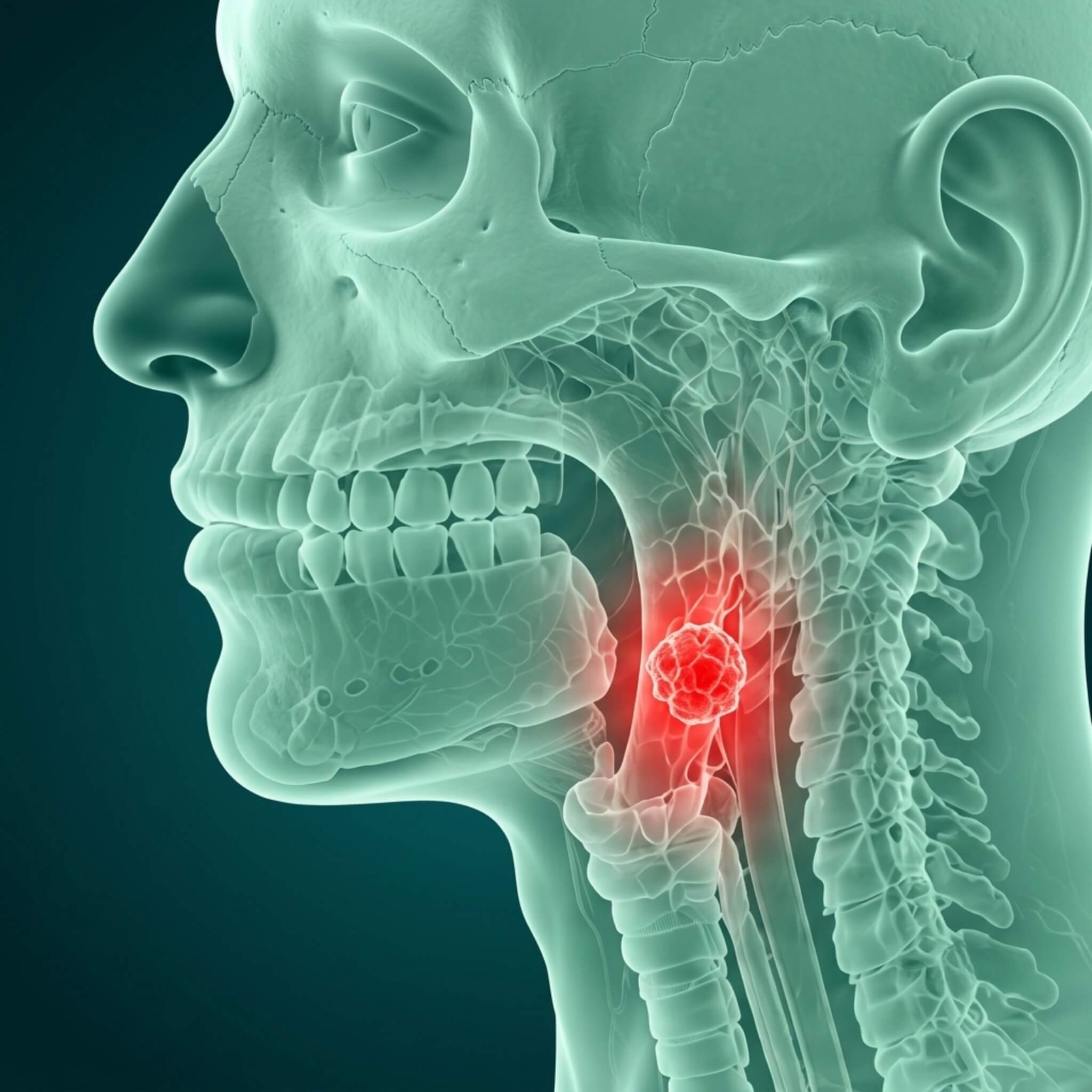
The throat has two primary parts: the pharynx and the larynx. Throat cancer can begin in either place. Doctors also refer to the cancer by its precise location in the throat.Knowing about the anatomy of the throat will help you to understand the treatment and other aspects of the care that you will be offered.
About
Where Throat Cancer Begins
The throat has two primary parts: the pharynx and the larynx. Throat cancer can begin in either place. Doctors also refer to the cancer by its precise location in the throat.
Knowing about the anatomy of the throat will help you to understand the treatment and other aspects of the care that you will be offered.
The Pharynx
The pharynx is the area that connects the oral cavity and nasal cavity to the food pipe (esophagus) and windpipe (trachea). It is approximately five inches long.
The pharynx has three main sections:
- The nasopharynx is the upper part of the pharynx, which connects the mouth and nose to the throat.
- The oropharynx is the middle part of the pharynx, including the tonsils and soft palate which connects the throat and the oral cavity.
- The hypopharynx is the bottom part of the pharynx, between the throat and the windpipe
The most common location affected by the cancer is the oropharynx. Hypopharyngeal cancer and nasopharyngeal cancer are rare. The treatment recommendations vary according to the stage and location of the tumor.
The Larynx (Voice Box)
The larynx is the part of the throat between the base of the tongue and the windpipe. It is often referred to as the voice box because it contains the vocal cords which produce the speech.
The larynx has three main parts:
- The supraglottis- the upper part of the larynx above the vocal cords
- The glottis- the middle part of the larynx, where the vocal cords are located
- The subglottis- the lower part of the larynx between the vocal cords and the trachea
Cancer can begin in any of these sections, as well as in the vocal cords.
The type of throat cancer you have depends on the type of cell in which the cancer began.
- Squamous cell carcinoma- most commonly found throat cancers
- Lymphomas
- Minor salivary glands tumors
- Sarcomas of throat
Risk Factors
Throat cancer (including the pharyngeal and the laryngeal cancers) can affect anyone. Major risk factors include smoking/ chewing tobacco, alcohol use and infection with the human papillomavirus (HPV).

Learn more about the risk factors for throat cancer.
- Tobacco: Tobacco use includes both smoking and smokeless tobacco (snuff and chewing tobacco). People who are exposed to passive smoking are also at a greater risk for throat cancer. If you smoke or chew tobacco, you can reduce your risk of throat cancer by stopping it.
- Alcohol: Alcohol consumption is another major risk factor for throat cancer. It increases the carcinogenic effects of tobacco.
- Betel quid and gutka: People who chew betel quid or gutka, have an increased risk of throat cancer.
- HPV (Human Papillomavirus): HPV is the fastest-growing head and neck cancer cause recently. The strains most commonly linked to head and neck cancer are HPV 16 and, less commonly, HPV 18.
Other Throat Cancer Risk Factors
- A diet low in fruits and vegetables
- A diet high in salt-cured fish and meat
- Exposure to the Epstein-Barr virus
Sign & Symptoms
The clinical signs and symptoms of throat cancer vary according to the location of the tumor.
- Sore throat: Pain or discomfort in your throat that doesn't go away is one of the most common symptoms of throat cancer.
- Voice changes: Throat cancer can affect your voice. You might sound different. You may sound husky or as if you have a cold all the time. You might have slurring of speech or have trouble pronouncing certain sounds.
- Trouble swallowing: Throat cancer can cause pain or a burning sensation while swallowing food. You might feel like food is sticking in your throat.
- Coughing: More commonly after ingesting liquids . This may be due to aspiration of the liquids.
- A lump in your neck: You may have a lump in your neck caused by an enlarged lymph node like other head and neck cancers. The lump slowly gets bigger and harder.
- Weight loss: Weight loss is a common symptom of many different types of cancer. Throat cancer causes weight loss due to difficulty in swallowing.
Other Signs of Throat Cancer
- Trouble opening your mouth
- Trouble moving your tongue
- White patches on your tongue or the lining of your mouth that do not go away
- Coughing up blood
- Nosebleeds
- Headaches
Diagnosis & Treatment
Diagnosis
Before we begin the treatment, we will need to diagnose which type of throat cancer you have and the accurate stage of the cancer. This is a key step in developing the best treatment plan for you. We have in our team, expert pathologists and radiologists trained for head and neck cancers to help us in the diagnostic process.

Endoscopic (Rigid/Flexible) Examination and Throat Biopsy
Endoscopic examination helps to know the exact extent of the cancer and the sites that are involved by the cancer. A throat biopsy is the first step in diagnosing throat cancer. During the biopsy, Dr Supreet Bhatt will remove a small amount of abnormal tissue from the area where the cancer is suspected under endoscopic vision. The tissue sample is sent to the pathologist for diagnosis.
Imaging studies for Throat Cancer
As part of making a diagnosis, a radiologist takes special x-rays of your throat, such as CT scans, MRIs, or a PET scan (a whole body scan to know the sites involved and any chances of metastasis to distant sites)
These imaging tests provide more details about the stage and the spread of the throat cancer. The extensive knowledge of throat cancer allows Dr Supreet Bhatt to choose the imaging approach that's best for you and to define the precise extent of the tumor.
HPV Testing for Throat Cancer
At Memorial Sloan Kettering, HPV testing is routine for many throat cancers. HPV-positive throat cancer has a better prognosis than other forms of the disease, so we may be able to offer you a less-intensive treatment plan that reduces your side effects without affecting your chances for a cure.
Treatment
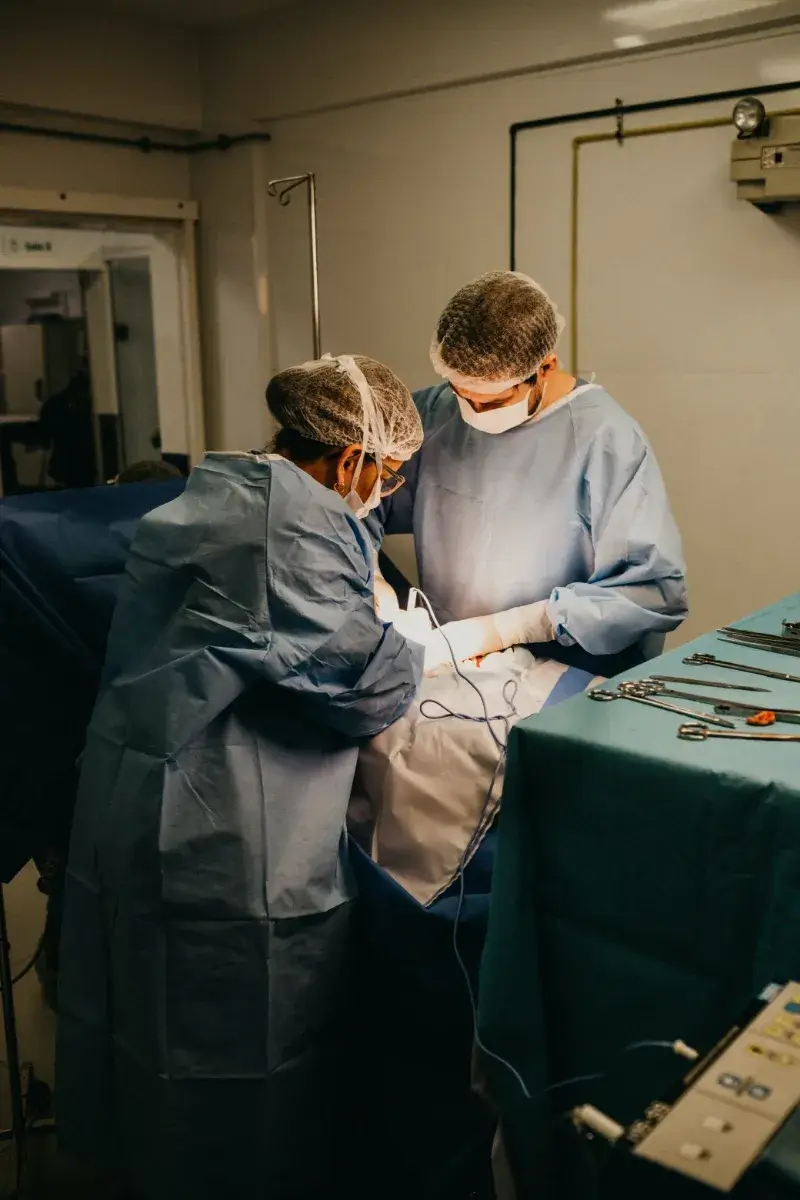
A multimodality treatment is required to treat throat cancers including:
- Surgery to remove the cancer
- Radiation therapy and/ or chemotherapy to control or destroy the cancer
Which treatment or combination of treatments is right for you depends on the stage of the cancerand the sites involved.
- The main treatment for the cancer of Larynx and Hypopharynx is usually surgery. Sometimes radiation and chemotherapy are given after surgery to reduce the chances of relapse.
- Surgery, radiation, and chemotherapy are all common approaches for cancers of the oropharynx
Throat Cancer Surgery
Surgery is the treatment of choice for many people with throat cancer. You may be able to have a minimally invasive surgery in which the tumor is removed through your mouth or we may recommend a traditional open surgery to remove the cancer.
Transoral Robotic Surgery (TORS)
TORS is a minimally invasive surgery used to remove oropharyngeal cancer, including tonsil cancer. It combines three-dimensional imaging with tiny robotic surgical instruments. These tools us to access the tumor through your mouth. The approach does not require any external incisions. Recovery times are much faster than open surgery.
Transoral Laser Microsurgery (TLM)
TLM is a minimally invasive approach to remove throat cancers using a powerful microscope and LASER. TLM is used for early-stage laryngeal cancers and for oropharyngeal cancers.
During the procedure, a microscope is used to look down the throat in order to produce a magnified view of the larynx. We use a special laser beam at the tumor to remove it from the surrounding healthy tissue.
Open Surgical Approaches for Throat Cancer
Although a minimally invasive approach can be a good option for many people with throat cancer, it is neither right nor feasible for every patient with throat cancers.
Open surgery can be a particularly good option for people with large and complex tumors. Dr Supreet Bhatt is especially experienced at customizing treatment options to maximize the chances for a cure while at the same time preserving quality of life to the greatest extent possible.
People who have open surgery to remove a throat cancer may need plastic surgery to repair and restore the affected area. Reconstruction for throat cancer typically involves a microsurgical approach called free tissue transfer.
Laryngectomy
Some people with throat cancer may require a laryngectomy. This is an open surgery to remove a part or all of the laryngeal components.
Dr Supreet is an expert in performing Total Widefield Laryngectomies and Whenever appropropriate; partial laryngectomies. We use intricate surgical approaches to preserve as much of the larynx as possible. We use primary as well as secondary voice prosthetic devices for Speech generation.
Lymph Node Removal
If your tumor has spread or is likely to spread to your lymph nodes, we will need to remove the lymph nodes in your neck during your operation. The goal of lymphadenectomy is to remove the lymph nodes that have been shown to contain or are likely to contain cancer while minimizing complications. This reduces your chances of the cancer coming back.
Quality of Life after Throat Cancer Treatment
Quality-of-life considerations are a vital component of your care for throat cancers
Difficulty in swallowing is a common problem and many patients need a long standing feeding tube . Dr Supreet is very concerned about this problem. After careful attention to the swallowing therapy, a vast majority of our patients complete treatment without a feeding tube.
Speech problems are debilitating. Dr Supreet Bhatt has a special interest and expertise in voice prosthetic devices and electrolarynx placement makes it possible for the patient to cope up with the speech problems.
Speech and Swallow Therapy for Throat Cancer
The speech therapy experts will help you recover from any problems related to your ability to speak or swallow. They will be there for you before, during, and after your treatment to help address any problems regarding speech, swallowing, voice and mouth movements.
Why Choose Us
- Our goal is to give compassionate, personalized care to every person who comes for throat cancer treatment.

- We have the expertise to treat not only the disease but the human on the whole. We personalise the treatment plans according to the priorities of the patient to give the best possible oncological and functional outcomes.
- Our areas of expertise include surgical resection, reconstruction, rehabilitation, and quality-of-life issues. We work as a team to ensure that we choose the best combination of therapies to treat the cancer and give you the best outcome possible.
- Voice preserving surgeries, minimally invasive LASER assisted surgeries, total and partial laryngectomies and voice prosthesis placement surgeries are the core interest and experties of Dr Supreet Bhatt.
- We take innovative surgical approaches to preserve your appearance and the functions of your throat.
- We choose voice preservation protocol for all the throat cancer patients whenever feasible and more so with the oropharyngeal cancers associated with HPV-related tumors.
- We are dedicated to giving each patient the best quality of life possible. That's why we take a holistic approach to care. Our rehabilitation experts help to manage problems with speech, voice, swallowing, and other side effects of throat cancer and its treatment.
- We tailor the care to include the most advanced therapies to give the highest chance of successful treatment while keeping the ability to eat, speak and live a normal healthy life.
Ready to Schedule an Appointment?
Contact Dr. Supreet Bhatt to discuss your condition and treatment options.
Contact Us