
Paranasal Cancer Treatment in Ahmedabad
Paranasal Cancer Treatment in Ahmedabad
Nasal cavity and sinus cancers are diseases in which cells in and around the nose grow and multiply abnormally, forming a tumor. You may have symptoms such as nasal congestion or headaches. You may discover the tumor during treatment for a sinus infection.
About
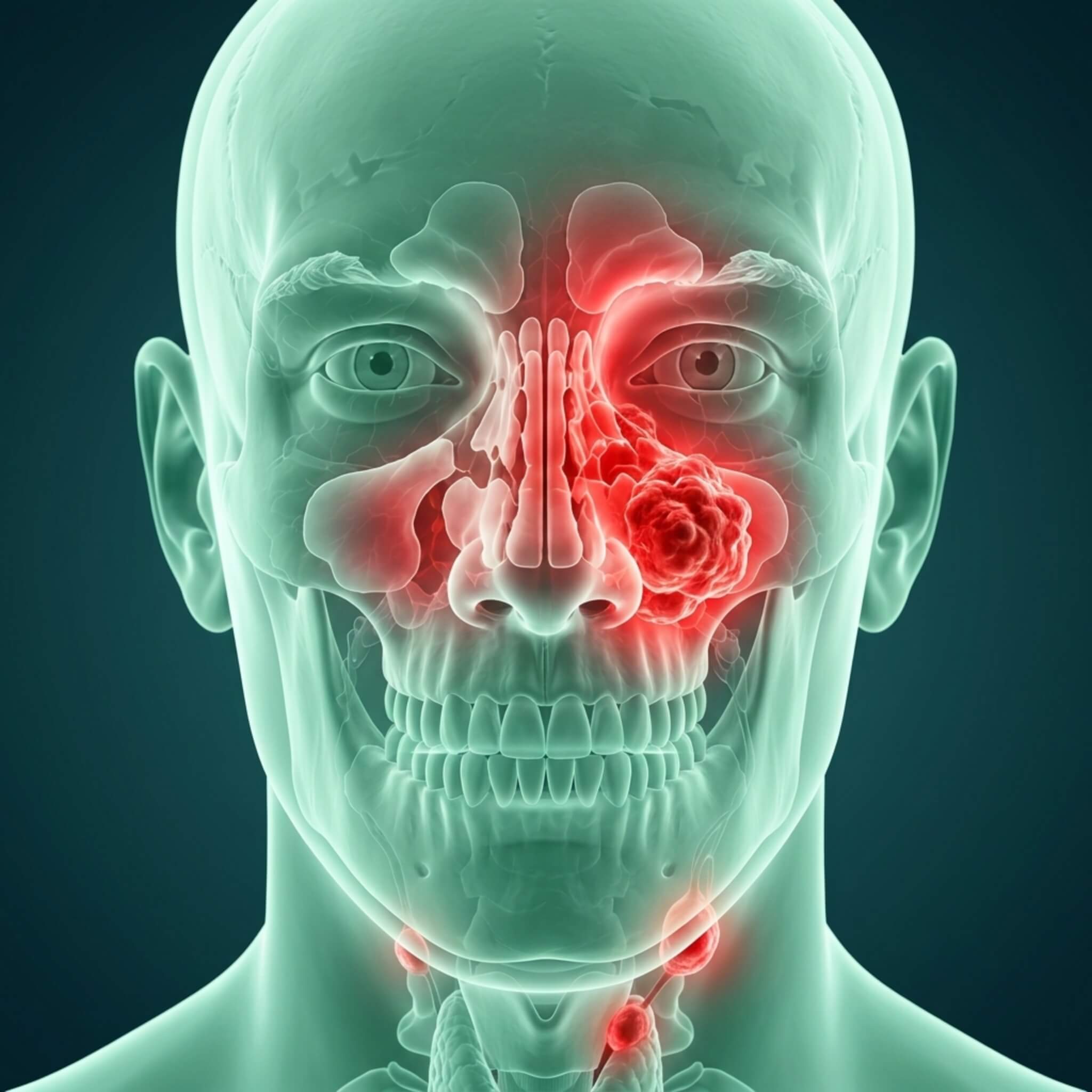
Nasal cavity and sinus cancers are diseases in which cells in and around the nose grow and multiply abnormally, forming a tumor. You may have symptoms such as nasal congestion or headaches. You may discover the tumor during treatment for a sinus infection.
Nasal cavity and sinus cancers are very rare. Many nasal cavity or sinus tumors are not cancerous, but some are. Plus, certain types of tumors that aren't cancerous to start with can become cancerous if they go untreated.
If you or a loved one have been told that you have nasal cavity or sinus cancer, here is some information to help get you started.
Anatomy of the Nasal Cavity and Paranasal sinuses
The nasal cavity is a large, air-filled space above and behind your nose in the middle of your face. It has two openings called the nostrils, which warm and moisturize the air you breathe in. Your nose and sinuses are covered with a layer of cells that produce mucus and warm the air you breathe. They also affect how your voice sounds when you speak.
Inside the nasal cavity, you have four different types of paranasal sinuses. The paranasal sinuses are a group of hollow, air-filled spaces that surround your nasal cavity. These include:
- Maxillary sinuses, which are located behind the cheeks
- Ethmoid sinuses, which are located between the eyes
- Sphenoid sinuses, which are located behind the ethmoid sinuses, deep in the nasal cavity
- Front sinuses, which are located above the eyes
Types of Nasal Cavity and Sinus Cancers
Cancerous tumors:
- Squamous cell carcinoma- Most common
- Salivary gland cancer
- Sarcoma,
- Esthesioneuroblastoma,
- Lymphoma,
- Sinonasal undifferentiated carcinoma
- Malignant melanoma.
Non-cancerous nasal cavity and sinus tumors:
- Squamous papilloma,
- Inverted papilloma
- Adenoma.
Determining the type of nasal cavity or sinus cancer helps doctors predict how the disease will respond to specific treatments. This way we can personalize your treatment.
Risk Factors
Tobacco use is a risk factor for nasal cavity and sinus cancers.
If you have a noncancerous tumor called an inverted papilloma in your nasal passages or sinuses, you are at a greater risk. Up to 10 percent of all inverted papillomas become cancerous if left untreated.

Nasal cavity and sinus cancers are also more common among people who have had significant exposure to:
- Wood dust
- Nickel
- Chemicals used in leather processing
Sign & Symptoms
Nasal cavity and sinus tumors rarely cause symptoms at their earliest stages. Most people tend to notice symptoms when the tumor has grown large enough to block the nasal cavity or the affected sinus, or when it has spread to other nearby tissue.
Common signs of nasal cavity cancer and sinus cancer include:
- Nasal congestion that doesn't go away
- Chronic sinus infections or common cold that don't respond to antibiotics
- Frequent headaches
- Facial pain
- Nosebleeds
- Swelling around the eyes
- Decreased sense of smell
- Bleeding from the Nose
- Decreased vision or protrusion of the eyeball
More-advanced disease is associated with:
- Loose teeth
- Numbness around the cheek and upper lip
- Double vision
- Swelling in the mouth, jaw, or neck
Diagnosis & Treatment
Diagnosis
A biopsy is the first step in the diagnosis of nasal cavity or sinus cancer. During a biopsy, a small amount of the tumor is removed. A pathologist then examines the sample to determine what type of tumor you have.
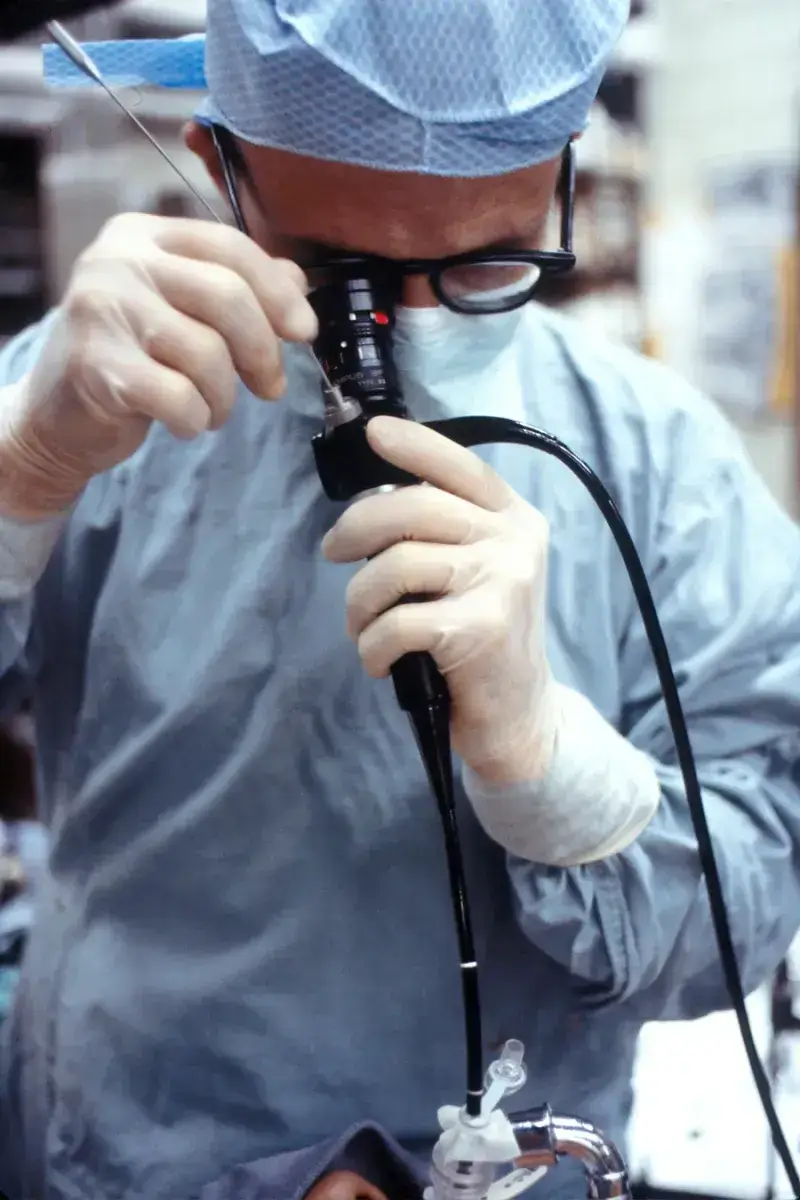
Special X-rays, such as CT scans, MRIs, or PET/CT scans, may provide more details about how deep the cancer is and if it has spread.
The information from your biopsy and imaging scans allows your doctor to tell you the stage of the cancer. The stage measures how widespread or advanced the cancer is. It guides the recommendations for your treatment.
Treatment of Nasal Cavity and Sinus Cancers
The goals for the treatment of nasal cavity or sinus cancer are to:
- cure the cancer
- preserve your appearance
- preserve normal function
Surgery for Nasal Cavity and Sinus Cancers
For most people with nasal cavity or sinus tumors, surgery will be the mainstay of treatment. We may recommend a traditional open surgery or minimally invasive endoscopic surgeries , as per the stage and location of the disease .
Rhinectomy
Rhinectomy is a procedure in which the nose or part of the nose is removed. This approach is generally used only for people with extremely high-risk cancer.
We offer plastic surgeries to the people who require a rhinectomy. We help you understand and work with you so that you get back to looking and feeling your best.
Maxillectomy
Maxillectomy is a surgery to remove bones in the upper jaw. We may recommend a maxillectomy if the tumor is located on the bones inside the walls of the nose or in the maxillary sinuses. For some people, it may be possible to have a minimally invasive maxillectomy endoscopically. We offer endoscopic minimally invasive surgeries for small tumors of maxillary sinus.
Skull-Base Surgery
In some cases, nasal cavity or sinus tumors may grow along the base of the skull. That's because the bone that makes up the skull base also forms the top of the nasal cavity and some of the paranasal sinuses.
For these tumors, we sometimes need to perform skull-base surgeries. Skull-base surgeries are very complex and demanding. It requires a surgical team that includes a head and neck surgeon, a neurosurgeon, and sometimes a plastic surgeon.
Craniofacial Resection
Open craniofacial resection surgery involves removing the tumor through incisions in the face and skull. Surgeons operate on the tumor from both above and below. This gives a better chance of removing the entire tumor. This surgery is very complex. The surgical team consists of a head and neck cancer surgeon, a plastic surgeon, and a neurosurgeon.
Lymph Node Removal
Nasal cavity and sinus cancers often spread to the lymph nodes in the neck first. Removing the lymph nodes in the neck (and other nearby tissue) may be done at the same time as the surgery to remove the nasal cavity or sinus cancer.
The extent and depth of the cancer guides your plan of care. Surgery is the most common treatment for nasal cavity and sinus cancers. Often surgery is the only treatment needed for noncancerous tumors and early-stage cancers.
If the disease is more advanced, radiation, chemotherapy, or both may be used to shrink the tumor. This can be done before or after surgery to reduce the risk of the cancer coming back.
Why Choose Us
- Dr Supreet Bhatt has particular expertise in the treatment for the patients with nasal cavity and paranasal sinus cancers. He, as a head and neck cancer surgeon works in a team with neurosurgeons, plastic surgeons, radiation oncologists, medical oncologists, pathologists, radiologists, and speech and swallow therapists.

- He is specially trained and provides unparalleled skill and experience in treating nasal cavity and sinus cancers. He strives for both complete cancer removal as well as the preservation of your appearance and function.
- He works closely with imaging experts who are focused solely on cancer that begins in the head and neck region. This collaboration allows to create an exquisitely precise road map to remove the cancer.
- We have a team of Plastic and reconstructive surgeons who have extensive experience in caring for people with nasal cavity and sinus cancers. Our goal is to preserve form and function by using the latest techniques available.
- We are dedicated to giving each patient the best quality of life possible. That's why we take a holistic approach to care.
- Speech pathologists and dental experts are key members of the surgery team.
Ready to Schedule an Appointment?
Contact Dr. Supreet Bhatt to discuss your condition and treatment options.
Contact Us